Dive Sites In Nusa Penida

Dive sites in Nusa Penida

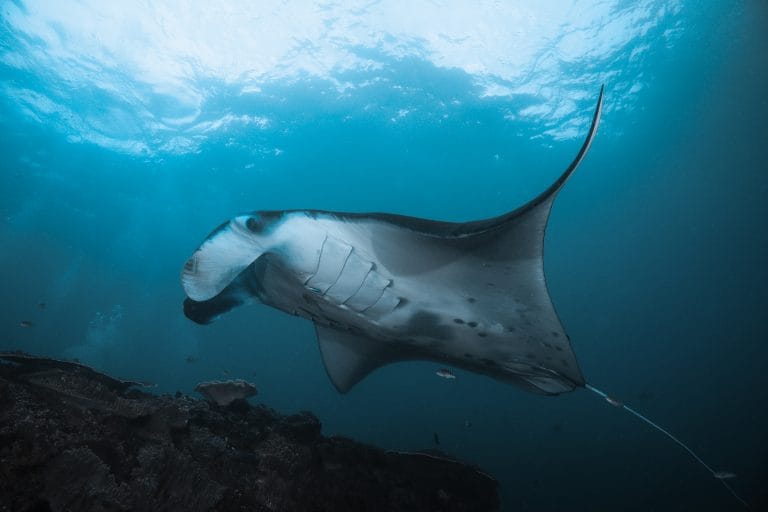
Manta Point

Nusa Penida’s signature site: a protected bay where reef mantas glide over shallow cleaning stations, often circling divers for most of the dive.
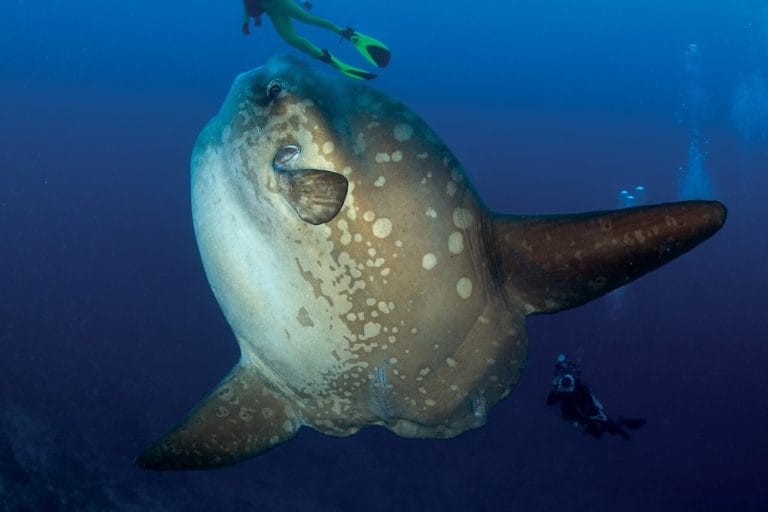
Crystal Bay

Crystal Bay is a sheltered sandy bay with calm, shallow areas perfect for beginners and training, plus two beautiful fringing reefs from 12–15 m.
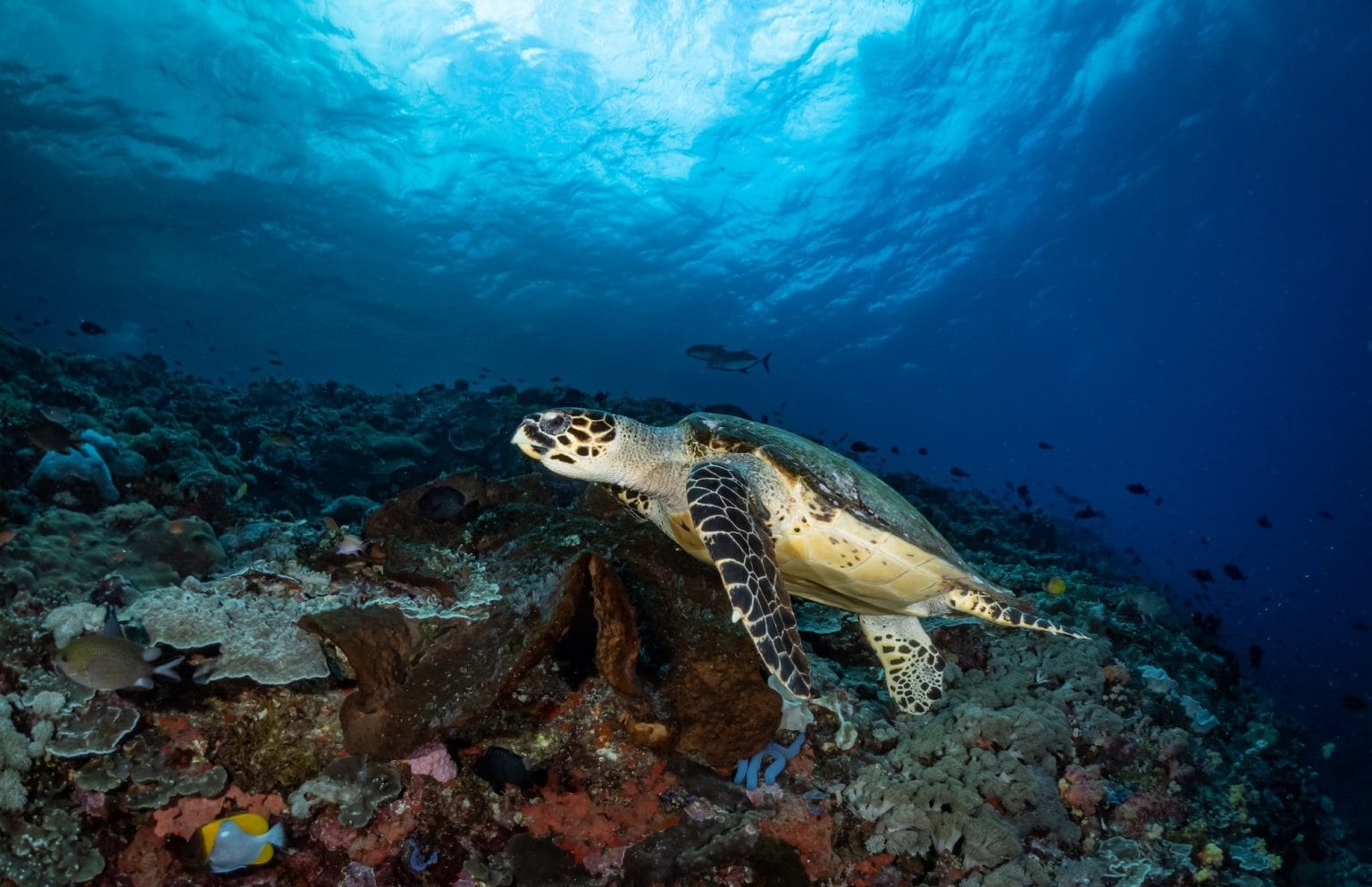
SD Point

SD Point is classic Nusa Penida drift diving – a long, sloping reef packed with healthy hard corals, big coral heads, and schools of fish.

Blue Corner

Blue Corner is raw, blue-water diving: steep slopes stepping down to a 60m bottom, fast currents, and the chance for big encounters.
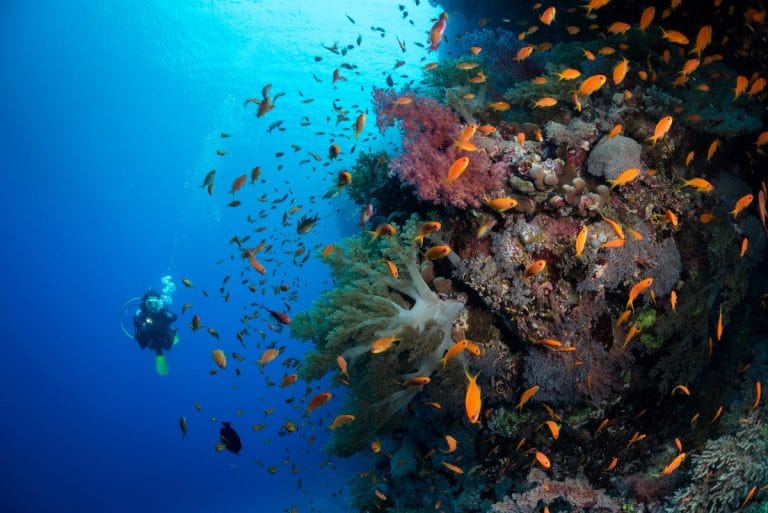
Ceningan Wall

Ceningan Wall is a dramatic wall drop-off in the channel covered in soft corals and sponges, with deep blue water falling away beside you.
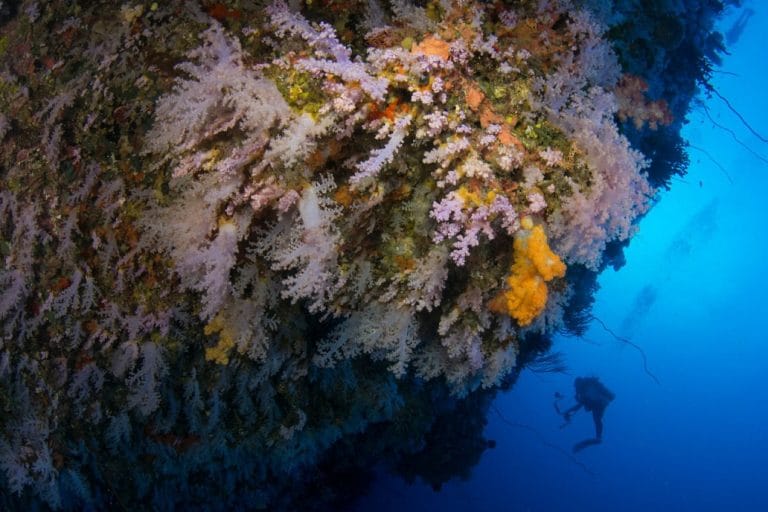
Malibu Point

Malibu Point starts in a sheltered bay with pristine hard coral and then spilling out onto a sloping reef that drops into a dramatic drop-off wall.

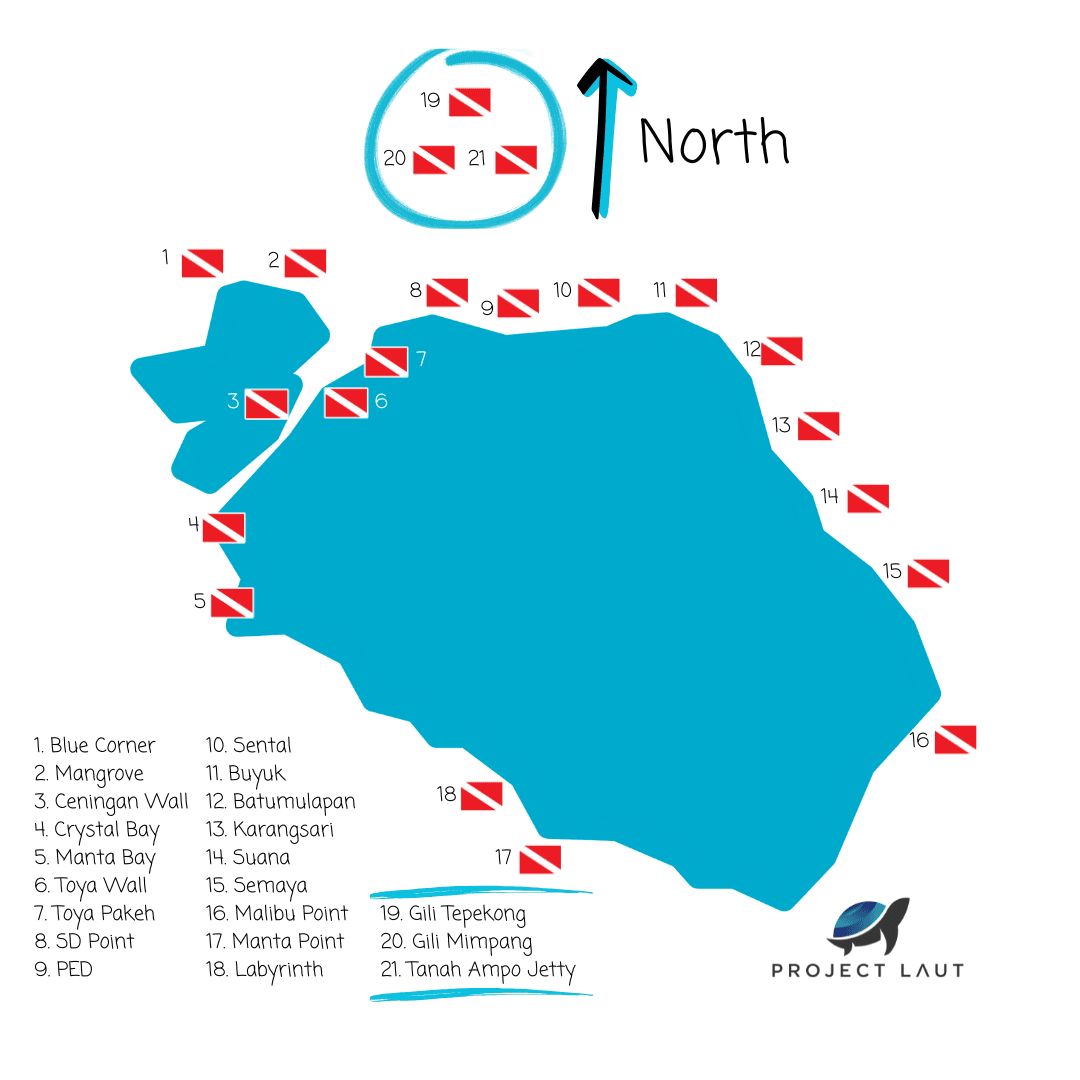
All Dive Sites in Nusa Penida

SD Point

Beginner · Drift · Sloping Coral Reef

Gentle to moderate drift along a sloping fringing reef packed with hard coral, reef fish, and frequent turtles. A great “classic Penida” dive, suitable for most certified divers when conditions are calm.

PED Point

Beginner · Drift · Sloping Coral Reef

A slightly steeper slope than SD with similar “flying over the reef” drift conditions and vibrant coral cover. Expect schooling reef fish, occasional pelagics, and a bit more current, ideal for confident Open Water and beyond.

Sental

Beginner · Drift · Sloping Coral Reef

A long sloping reef that feels wild and open, home to what’s believed to be the largest Galaxea coral colony in the world. Currents here can split and change quickly, making it best for divers comfortable with drifts and varying conditions.

Buyuk

Beginner · Drift · Sloping Sandy Coral Reef

Sandy slopes dotted with coral bommies and sponges, great for turtles, pufferfish, and macro life between the patches. Deeper out, there are rumors of a thresher shark cleaning area at approximately 40m – perfect motivation to keep your eyes on the blue.

Toya Pakeh

Beginner/Advanced · Drift · Sloping Coral Reef

A bay at the north mouth of the channel, often with cooler water, strong nutrient flow, and dense fish life. You’ll start in more sheltered water before riding the current over rich reef, with schooling fish, soft corals, and plenty of action for experienced drift divers.

Toya Wall

Expert · Drift · Wall

A true advanced site following the eastern wall of the channel from Toya, with dramatic drop-offs, ledges, and big-fish potential. Fast, swirling currents and changing conditions make this a spectacular but challenging drift reserved for experienced divers only.

Mangrove Point

Advanced · Drift · Sloping Coral Reef

Located along the north slope of Nusa Lembongan, this is classic “flying reef” territory: healthy coral, lots of reef fish, and smooth drifts when conditions line up. Keep an eye out for turtles, eagle rays, and, with luck, big barracuda cruising the blue.

Ceningan Wall

Expert · Drift · Wall

Ceningan Wall runs along the western edge of the Nusa Ceningan channel, with a dramatic vertical drop, overhangs, and ledges covered in sponges and soft corals. Currents can be strong and unpredictable here, but the payoff is superb scenery, dense reef life.

Blue Corner

Expert · Drift · Stepping Wall

Blue Corner is one of Penida’s most advanced and exhilarating dive sites, with a stepped wall that drops into deep blue water, strong currents, and frequent downcurrents. It’s a magnet for big life – think eagle rays, mola molas, marble rays, big trevallies, and, in the right season, the chance of pelagic thresher sharks cruising by.

Crystal Bay

Beginner to Expert · Reef & Sand · Big Fish Potential

A U-shaped bay with a shallow sandy area at 8–10 m and fringing reefs that slope deeper into the channel. Great for turtles, cuttlefish, and classic reef life close to shore, with seasonal mola sightings and stronger currents further out toward the point.

Manta Bay

Beginner · Sheltered Bay · Sloping Reef

A shallow, protected bay with cooler water and lower visibility, but huge payoff: this is one of Penida’s main manta feeding areas (roughly a 50% chance of sightings). Between manta passes, expect macro life (nudibranchs-galore), bamboo sharks, and octopus.

Manta Point

Beginner · Manta Cleaning Station · Swell & Surge

Penida’s iconic manta cleaning station, with a very high chance (90%) of encounters. Dives are shallow, with cooler water, and occasional swell. When conditions allow, you can spend long, relaxed bottom times watching reef mantas circle calmly around the cleaning bommies.

Labyrinth

Advanced · Dramatic Rock Maze · Swell & Surge

Just around the corner from Manta Point, Labyrinth is a jumble of huge rock pillars and boulders – some over 15 m tall – leaning and stacked to form tunnels, passages, and pockets. You’ll dive between towering structures, see schools of reef fish, and often spot mantas cruising past on their way to or from the cleaning station.

Batumulapan

Beginner/Advanced · Drift · Sloping Coral Reef

Long, sloping reefs with consistent current and more turtle encounters than anywhere else on Penida. Expect giant trevallies cruising the blue, a fun swim-through on the reef, and the occasional surprise from deeper water – molas or even hammerheads when conditions line up.

Karangsari

Beginner/Advanced · Drift · Sloping Sandy Coral Reef

A more protected bay on the east coast with a steep sand-and-coral slope. Currents are usually milder but can split and swirl along the contour, making navigation interesting. Good spot for relaxed drifts with mixed reef life and a chance of molas or hammerheads out in the deep.

Suana

Advanced · Drift · Sloping Coral Reef

A remote east-coast bay that most boats skip. Shallow sloping reefs, plenty of turtles, and classic “blue water” diving with eagle rays, manta rays, and a chance for mola molas or even hammerheads possible out off the slope. Usually a comfortable drift, but conditions can become stronger around full & new moons.

Semaya

Advanced · Drift · Sloping Coral Reef

Semaya sits on the exposed southern tip of the Suana area, where currents wrap around the island and can really move. Few dive centers visit regularly, which means dense fish biomass, busy reefs, and that wild “out there” feeling. Best suited for confident drift divers who enjoy stronger water and big-fish potential.

Malibu Point

Expert · Drift · Sloping Coral Reef & Wall Drop-off

Malibu sits on the far eastern tip of Nusa Penida, starting in a quiet, sheltered bay with pristine hard coral before spilling out onto a sloping reef and then a dramatic wall dropping into the blue. Expect lively currents at times, lush untouched coral, and the chance for standout encounters like mola molas, leopard sharks, and even threshers on the edge of the drop-off.

Gili Tepekong

Expert · Shark Cave · Strong Currents & Surge

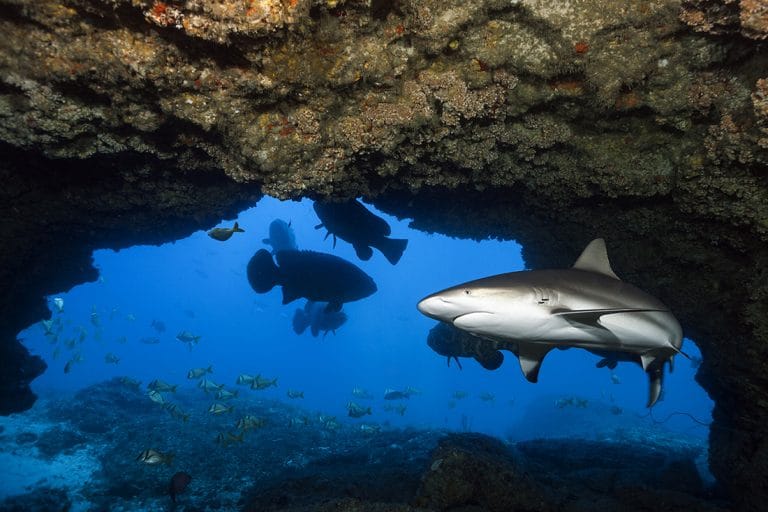
A compact but serious site just off mainland Bali, Gili Tepekong is famous for its dramatic walls, swim-throughs, and a shark cave where white-tip reef sharks often rest. Strong, swirling currents and downwellings mean it’s strictly for experienced divers with solid buoyancy and comfort in challenging conditions.

Gili Mimpang

Expert · Pinnacle · Strong Currents

Also known as “Three Rocks,” Gili Mimpang is a cluster of pinnacles that drops into deep water with stunning coral, schooling fish, and frequent shark sightings. Currents can be unpredictable here, but on the right day it’s one of the most exciting advanced dives in the area.

Tanah Ampo Jetty

Beginner · Coral/Muck Dive · Macro & Critters

Tanah Ampo Jetty is a classic macro and critter dive: pylons covered in growth, sandy bottom, and endless hiding spots for frogfish, ghost pipefish, nudibranchs, and other small treasures. Conditions are usually manageable, making it a great second or third dive for photographers and macro lovers.

Frequently Asked Questions

Currents can range from mild drifts to strong, fast-moving water, especially around corners and channel mouths. We choose sites and entry points daily based on tides, swell, and your experience level so you stay within safe, comfortable limits.

Diving is great year-round. Generally, April – June and September – November offer a nice balance of conditions and visibility. July – October brings cooler water and better chances for mola mola but can also mean stronger currents and lower temperatures at some sites.

Great question! Both dive sites are suitable for beginners. Our experienced dive guides and dive instructors always review conditions upon arrival at the dive site to make sure conditions are safe for their dive groups to enter.

On many sites you’ll enjoy relaxed drift dives. On certain corners, walls, and channels (e.g. Blue Corner, Ceningan Wall, the outer edge of Crystal Bay), currents can be strong, changing direction, or down-welling. Those sites are treated as advanced only, and we only dive them when conditions are suitable.

Most of the year, water temperatures sit around 26 – 29°C. Between July and October, they can drop to 18 – 23°C, especially at dive sites on the south and manta/mola spots. We recommend 3–5 mm full wetsuits, and many divers appreciate an extra hooded vest in the cooler months.

Visibility usually ranges from 10–30+ meters, depending on wind, swell, plankton, and tides. Manta sites can be plankton-rich (lower vis, more mantas), while many north and east sites often have clearer, blue water on most days.

Yes, you can absolutely tell us where you’d like to go; Manta Point, Crystal Bay, SD, Blue Corner, etc. Final site choices always depend on conditions, safety, and the experience level of the group, but we do our best to match your preferences.

No wild animal is ever guaranteed. Mantas are frequent visitors at Manta Point (90% sighting chance) and Manta Bay (50% sighting chance), and mola molas are seasonal and more rare, even in high season. Our guides will choose the best sites and timing to maximize your chances, but we are always honest about the fact that nature does its own thing.

Some routes, especially to the south coast (Manta Point / Labyrinth), can be bumpy when swell picks up. We recommend taking motion sickness tablets in advance (we have stock with us), staying hydrated, and letting our team know if you’re prone to seasickness so we can seat and assist you appropriately.